Turkish Cement
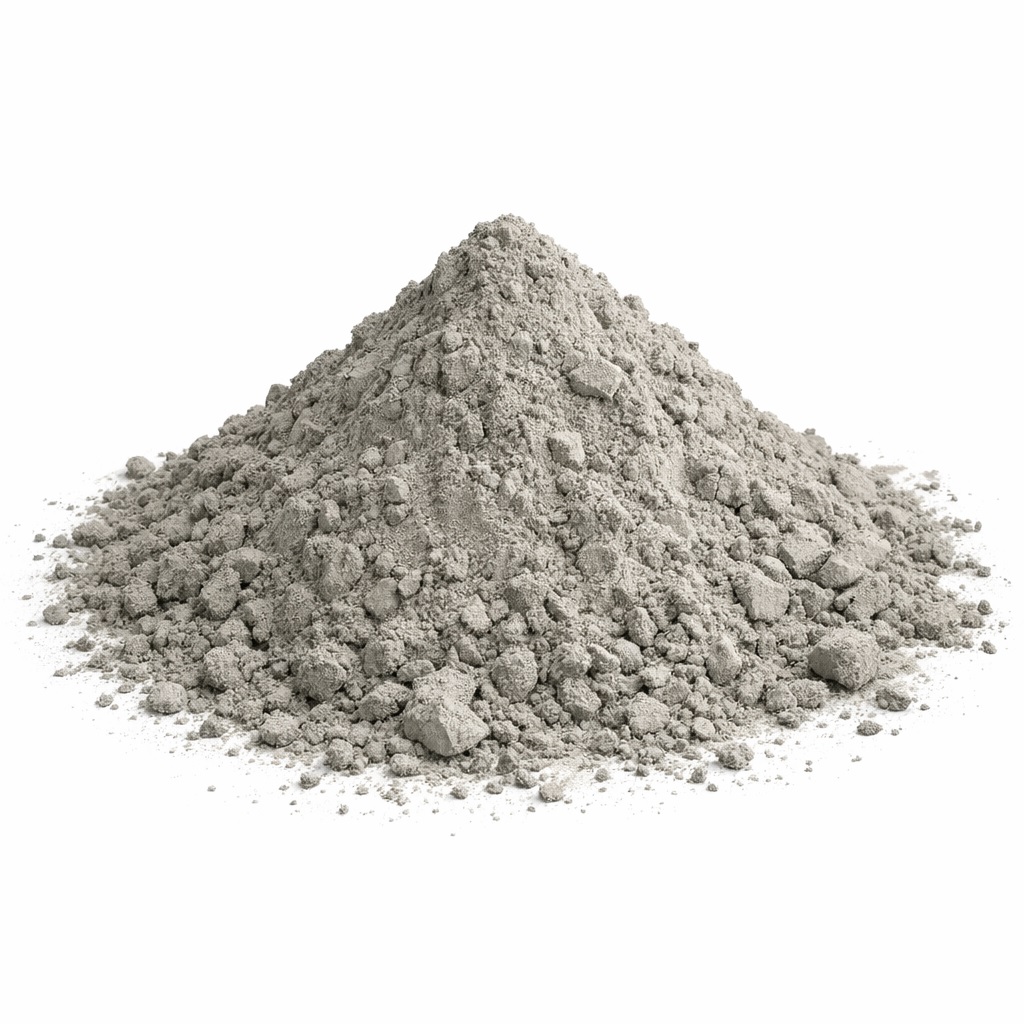
Turkey is the world's largest cement exporter — and EDK sources directly from that supply chain. Our cement range covers Portland CEM I in standard and high-performance strength classes, sulfate-resistant variants for aggressive environments, and white Portland for architectural applications. Every grade we supply meets TS EN 197-1, is CE marked, and ships with complete technical and compliance documentation as standard.
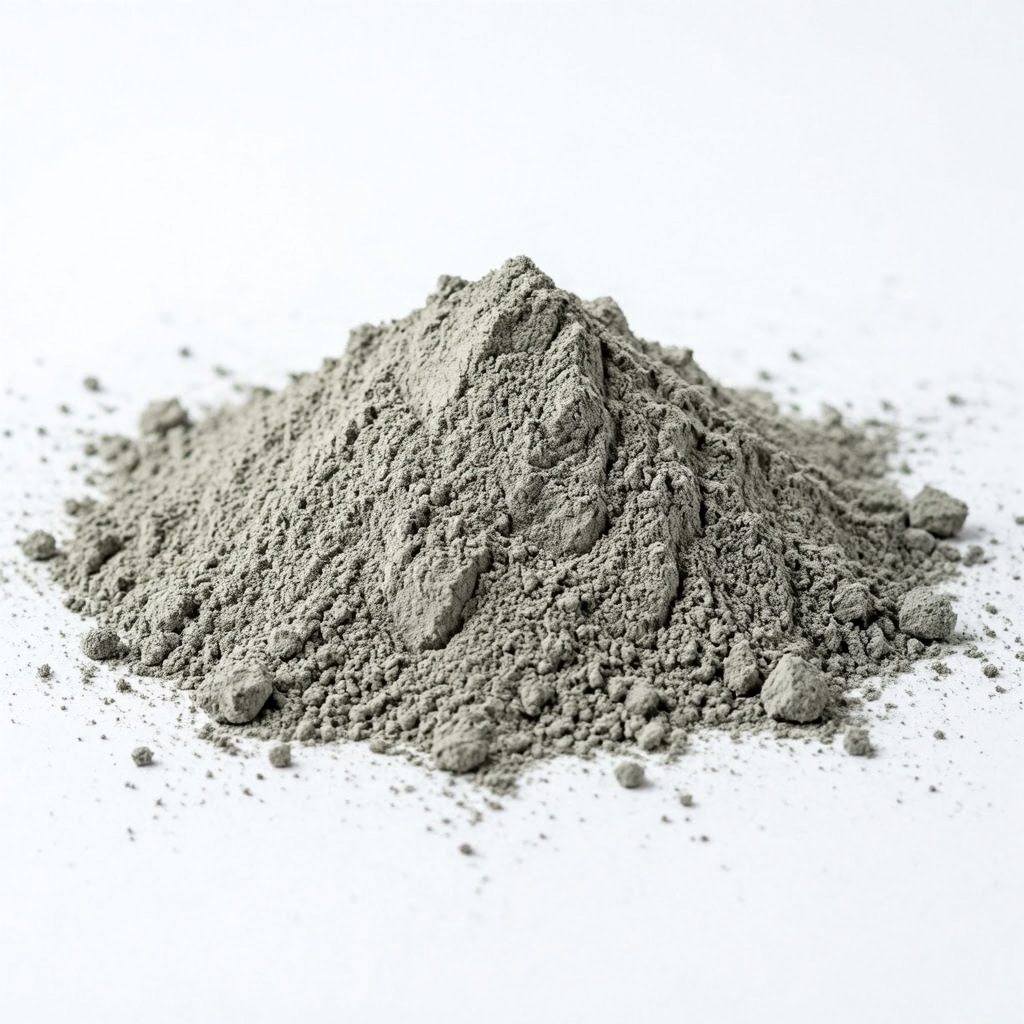
Portland Cement (CEM I) — Sourced from Turkey
Premium Portland cement sourced directly from Turkey — the world's #1 cement exporter with over $1.3 billion in annual export revenue and a 9.6% share of the global market. Supplied in strict compliance with TS EN 197-1 and CE marked, our Turkish Portland cement delivers consistent, high-strength performance for construction projects worldwide.
- Classification: CEM I 32.5 N/R · 42.5 N/R · 52.5 N/R · SR5 · White
- Standard: TS EN 197-1 | CE Marked | ISO 9001 Certified
- Clinker Content: 95–100% | Initial Setting Time: ≥ 45 min
- Packaging: 50 kg Bag · Big-Bag · Bulk · Sling Bag
Portland Cement (CEM I) — Technical Details
TS EN 197-1 certified Portland cement sourced from Turkey for export. Available in multiple strength classes and specialized variants to meet the requirements of every construction project and environment.
Product Overview
Portland cement is an inorganic hydraulic binder produced by finely co-grinding Portland cement clinker with a small quantity of gypsum. Classified as CEM I under TS EN 197-1, it contains 95–100% clinker by mass — the highest purity class. Clinker is manufactured by sintering limestone, clay, and iron ore at approximately 1,450°C in a rotary kiln, forming four primary mineral phases: C₃S (alite) for early and ultimate strength, C₂S (belite) for late-stage strength gain, C₃A controlling hydration rate, and C₄AF contributing sulfate resistance and the characteristic grey colour.
Turkey is the world's leading cement exporter, supplying over 150 countries with $1.3 billion in annual export revenue and 9.6% of the global export market. All exported cement complies with TS EN 197-1 and is tested in accordance with the EN 196 series of test methods.
Technical Specifications (TS EN 197-1)
| Classification | CEM I — Portland Cement |
|---|---|
| Standard | TS EN 197-1 | CE Marked | ISO 9001 |
| Clinker Content | 95 – 100% |
| Initial Setting Time | ≥ 45 minutes |
| Volume Expansion (Le Chatelier) | ≤ 10 mm |
| MgO Content | ≤ 5% |
| SO₃ Content | ≤ 3.5% (general) · ≤ 4.5% (SR variant) |
| Chloride (Cl⁻) | ≤ 0.10% |
| Blaine Specific Surface | 2,800 – 4,500 cm²/g |
| Loss on Ignition | ≤ 5% |
Strength Classes
| Class | Type | 2-Day (MPa) | 28-Day (MPa) |
|---|---|---|---|
| 32.5 | N / R | — / ≥ 10 | 32.5 – 52.5 |
| 42.5 | N / R | ≥ 10 / ≥ 20 | 42.5 – 62.5 |
| 52.5 | N / R | ≥ 20 / ≥ 30 | ≥ 52.5 |
Available Variants
CEM I 42.5 R — Standard Portland
Turkey's most widely exported grade (~4.74 Mt/year). 2-day compressive strength ≥ 20 MPa. Ideal for ready-mixed concrete, precast elements, and cold-weather pours requiring rapid early strength. Primary markets: USA, Israel, Gulf countries.
CEM I 52.5 R — High Performance
Very high early and ultimate compressive strength; 2-day ≥ 30 MPa. Eliminates the need for steam curing in precast and prestressed applications. Alkali-aggregate reaction risk minimized; no set-accelerating admixtures required.
CEM I 42.5 R SR5 — Sulfate Resistant
C₃A content ≤ 5% (SR5) or ≤ 3% (SR3) providing high resistance to sulfate attack. Specified for bridges, dams, ports, marine structures, and sewers in aggressive soil or water environments. High demand in Gulf, North Africa, and Southeast Asia.
White Portland Cement — CEM I 52.5 R
Fe₂O₃ content < 0.5%; whiteness index ≥ 85. World-leading producers: Çimsa Mersin (1.1 Mt/year) and Adana Çimento (0.35 Mt/year). Exported to 50+ countries for architectural concrete, decorative surfaces, and specialty construction chemicals.
Recommended Applications
- Reinforced concrete structures — residential, commercial, and infrastructure.
- Precast and prestressed concrete elements requiring high early strength.
- Ready-mixed concrete production for all construction sectors.
- Bridges, viaducts, and highway structures (SR5 for sulfate-exposed conditions).
- Marine and hydraulic structures including ports, dams, and water treatment facilities.
- Tunnels and sprayed concrete (shotcrete) requiring very high early strength (52.5 R).
- Architectural and decorative concrete, façades, and cultural stone (White CEM I).
- Foundation and road construction — general civil infrastructure works.
Packaging & Export Options
| Format | Details |
|---|---|
| 50 kg Kraft Bag | Multi-wall paper/PP bag with moisture barrier; valve or open-mouth; palletized for container loading. |
| Big Bag / FIBC (1–2 t) | UV-resistant PP woven; sift-proof inner liner option; forklift compatible. |
| Sling Bag (1–2 t) | Crane-loaded discharge; no specialist cement vessel required; dominant in Mediterranean markets. |
| Bulk / Pneumatic | Lowest cost per tonne; requires specialist cement vessel and compatible silo at destination port. |
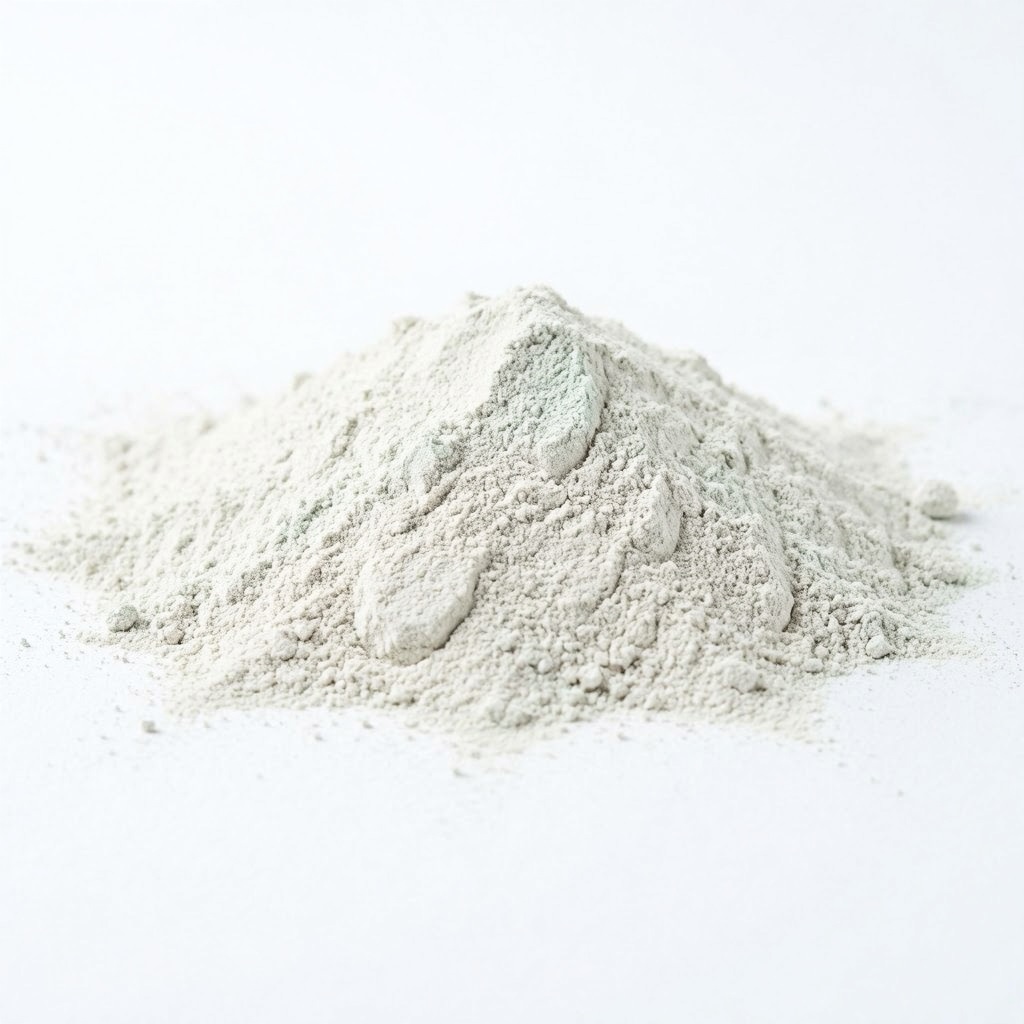
Portland Composite / Blended Cement (CEM II) — Sourced from Turkey
Turkey's most widely consumed cement type domestically and the fastest-growing export segment. Portland composite cement (CEM II) combines 65–94% Portland clinker with 6–35% mineral additions — natural pozzolan (trass), limestone, granulated blast furnace slag, or fly ash — delivering enhanced workability, improved long-term durability, and a 10–30% lower CO₂ footprint compared to pure Portland cement.
- Classification: CEM II/A-M · CEM II/A-LL · CEM II/A-S · CEM II/B-LL · CEM II/C-M
- Standard: TS EN 197-1 + TS EN 197-5 | CE Marked | ISO 9001 Certified
- Clinker Content: 65–94% | Mineral Addition: 6–35% | CO₂ Saving: 10–30%
- Packaging: 50 kg Bag · Big-Bag · Bulk · Sling Bag
Portland Composite / Blended Cement (CEM II) — Technical Details
TS EN 197-1 certified Portland composite cement sourced from Turkey for export. Combines the proven strength of Portland clinker with performance-enhancing mineral additions, delivering a more sustainable and cost-effective binder across a comprehensive range of construction applications.
Product Overview
Portland composite cement (CEM II) is a hydraulic binder in which a portion of Portland clinker is replaced by one or more mineral additions: natural pozzolan/trass (P), limestone (L/LL), granulated blast furnace slag (S), siliceous fly ash (V), or their combinations (M). Clinker content ranges from 65–94%, with mineral additions at 6–35%. The 2021 TS EN 197-5 standard introduced CEM II/C-M, reducing clinker content further to 50–64% for maximum sustainability. Puozzolanic reactions between the mineral additions and Ca(OH)₂ released during clinker hydration produce additional C-S-H gel, improving long-term strength, impermeability, and chemical resistance — particularly in aggressive environments.
Turkey holds a decisive natural resource advantage for CEM II production: Cappadocia and surrounding regions contain some of the world's most significant trass (natural pozzolan) deposits, abundant limestone reserves span the entire country, and steel facilities in İskenderun and İzmir supply granulated blast furnace slag. CEM II is Turkey's #1 cement type by domestic sales volume and the second-largest export category, with 3.99 Mt exported. The country's average clinker factor of 0.84 is being actively reduced through increased CEM II production — directly addressing EU Carbon Border Adjustment Mechanism (CBAM) reporting requirements effective from October 2023.
Technical Specifications (TS EN 197-1)
| Classification | CEM II — Portland Composite / Blended Cement |
|---|---|
| Standard | TS EN 197-1 · TS EN 197-5 | CE Marked | ISO 9001 |
| Clinker Content | 65–94% (A-type: 80–94% / B-type: 65–79% / C-type: 50–64%) |
| Mineral Addition | 6–35% — trass (P), limestone (L/LL), slag (S), fly ash (V/W), or combined (M) |
| Initial Setting Time | ≥ 45 minutes |
| Volume Expansion (Le Chatelier) | ≤ 10 mm |
| MgO Content | ≤ 5% |
| SO₃ Content | ≤ 3.5% (standard) · ≤ 4.0% (A-S, B-S, A-M, B-M) · ≤ 4.5% (B-T) |
| Chloride (Cl⁻) | ≤ 0.10% |
| Loss on Ignition | ≤ 5% (≤ 7% for types containing pozzolan T) |
| CO₂ Footprint Reduction | 10–30% vs. CEM I (dependent on addition rate and type) |
Strength Classes
| Class | Type | 2-Day (MPa) | 28-Day (MPa) |
|---|---|---|---|
| 32.5 | N / R | — / ≥ 10 | ≥ 32.5 – ≤ 52.5 |
| 42.5 | N / R | ≥ 10 / ≥ 20 | ≥ 42.5 – ≤ 62.5 |
| 52.5 | N / R | ≥ 20 / ≥ 30 | ≥ 52.5 |
Available Variants
CEM II/A-M (P-L) 42.5 R — Portland Composite (Trass + Limestone)
Turkey's most cost-competitive CEM II formulation, leveraging the country's abundant trass and limestone reserves. Dual mineral addition of natural calcined pozzolan and limestone delivers excellent workability, pozzolanic reactivity, and long-term durability. Widely used in general concrete, infrastructure, and construction chemicals production.
CEM II/A-LL 42.5 R — Portland Limestone
High-purity limestone addition (TOC ≤ 0.20%) positions this grade as a direct substitute for CEM I 42.5 R. Improved workability and slump retention in ready-mixed concrete; superior finish in architectural applications. Dominant grade in Turkey's residential construction and precast concrete export markets.
CEM II/A-S 42.5 R — Portland Slag
Granulated blast furnace slag addition reduces hydration heat and significantly improves long-term impermeability and chemical resistance. Specified for mass concrete, hot-weather concreting, marine and hydraulic structures, and industrial floors. Çimsa Izo Power 42.5 (CEM II/A-S) is one of Turkey's leading products in this segment.
CEM II/B-LL 32.5 R — Portland Limestone (High Addition)
Limestone content 21–35%, optimized for mortar, plaster, screed, and render where workability, consistency, and surface finish are paramount. Low density reduces material usage per m² in plaster; low shrinkage characteristics minimize thermal cracking in screeds.
CEM II/C-M (L-W) 42.5 N — Next-Generation Low-Carbon (TS EN 197-5)
Clinker content 50–64%; introduced under TS EN 197-5 (2021). Turkey's lowest clinker-factor CEM II product — pioneered by Batıçim under the «ecoBATI» brand. Compressive strength and setting times equivalent to CEM I, while delivering up to 30% CO₂ reduction vs. standard Portland cement.
Recommended Applications
- Residential and commercial reinforced concrete — Turkey's most widely used cement type for general construction.
- Ready-mixed concrete production across all strength classes; enhanced workability and slump retention.
- Infrastructure: roads, bridges, retaining walls, tunnels, and drainage structures.
- Mortar, plaster, render, and screed applications (CEM II/B-LL 32.5 R preferred).
- Mass concrete, dams, and hydraulic canal structures where reduced hydration heat is critical (CEM II/A-S).
- Marine and port structures requiring enhanced impermeability and sulfate resistance (slag and pozzolan types).
- Construction chemicals and factory-produced dry-mix mortars requiring consistent fineness and reactivity.
- Green-certified and LEED/BREEAM projects requiring documented lower CO₂ footprint (CEM II/C-M).
Packaging & Export Options
| Format | Details |
|---|---|
| 50 kg Kraft Bag | Multi-wall paper/PP bag with moisture barrier; valve or open-mouth; palletized for container loading. |
| Big Bag / FIBC (1–2 t) | UV-resistant PP woven; sift-proof inner liner option; forklift compatible. |
| Sling Bag (1–2 t) | Crane-loaded discharge; no specialist cement vessel required; dominant in Mediterranean markets. |
| Bulk / Pneumatic | Lowest cost per tonne; requires specialist cement vessel and compatible silo at destination port. |
Blast Furnace Slag Cement (CEM III) — Sourced from Turkey
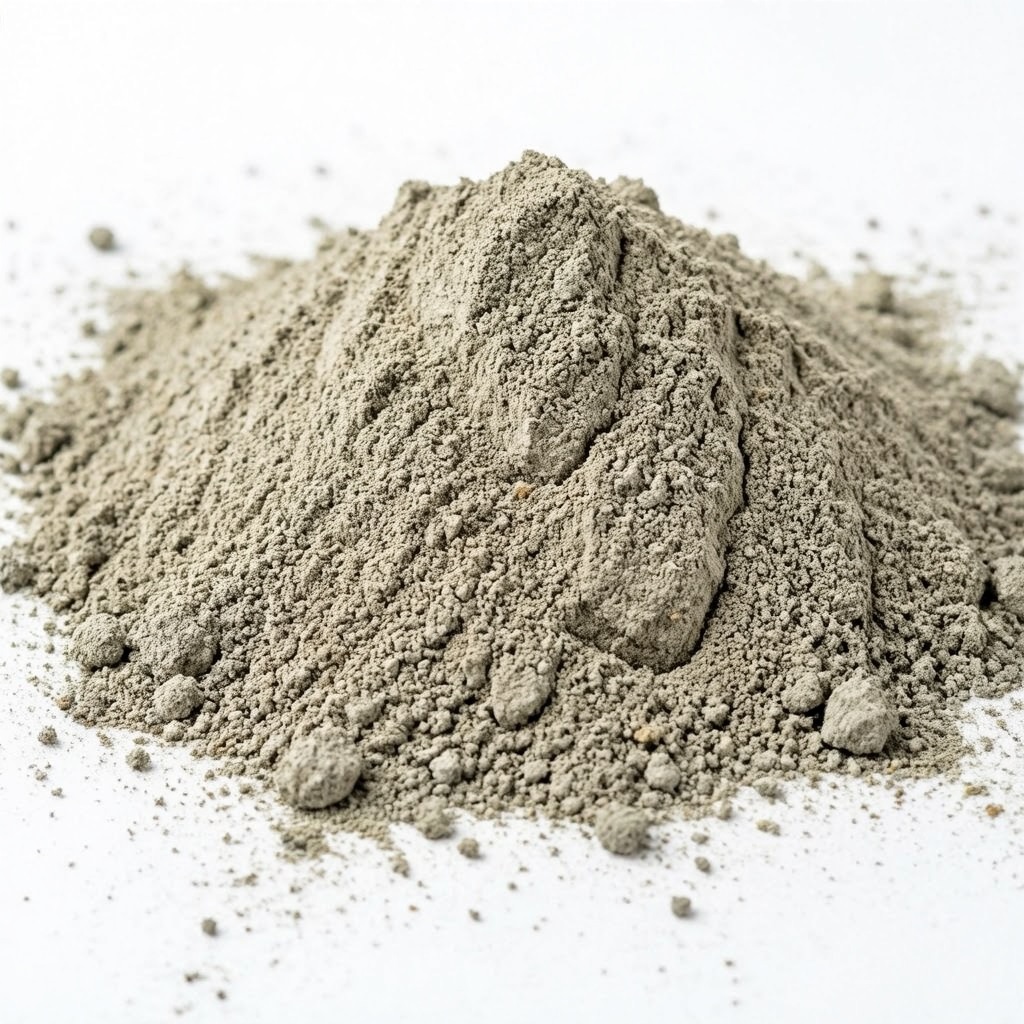
Portland blast furnace slag cement (CEM III) replaces 36–95% of the clinker with granulated ground blast furnace slag — the glassy by-product of iron-making. The result is a hydraulic binder with exceptionally low hydration heat, outstanding long-term durability, and a CO₂ footprint up to 70% lower than CEM I. Turkey's integrated steelworks at İskenderun and Karabük supply high-quality GGBS feedstock directly to cement producers.
- Classification: CEM III/A 42.5 N · CEM III/B 32.5 N · CEM III/B 42.5 N · CEM III/C 32.5 N
- Standard: TS EN 197-1 | CE Marked | ISO 9001 Certified
- Slag Content: 36–95% | Clinker Content: 5–64% | CO₂ Saving: up to 70% vs. CEM I
- Packaging: 50 kg Bag · Big-Bag · Bulk · Sling Bag
Blast Furnace Slag Cement (CEM III) — Technical Details
TS EN 197-1 certified blast furnace slag cement sourced from Turkey for export. Engineered for aggressive exposure environments, mass concrete, and sustainability-driven projects demanding maximum durability with minimum carbon footprint.
Product Overview
Blast furnace slag cement (CEM III) is produced by intimately grinding or blending Portland cement clinker with granulated ground blast furnace slag (GGBS) — a latent hydraulic material formed by rapid quenching of molten iron slag to a glassy, amorphous state. GGBS activates through an alkali reaction with Ca(OH)₂ liberated during clinker hydration, forming additional C-S-H gel that progressively fills the capillary pore structure. This mechanism produces concrete with superior impermeability, high sulfate and chloride resistance, reduced alkali–silica reactivity, and substantially lower hydration heat compared to CEM I.
Three subtypes are defined in TS EN 197-1 by slag content: CEM III/A (36–65%), CEM III/B (66–80%), and CEM III/C (81–95%). As slag content increases, hydration heat decreases, long-term durability improves, and the CO₂ footprint is further reduced — reaching up to 70% below CEM I for CEM III/C. Turkey's major integrated steel producers — İsdemir (İskenderun) and Kardemir (Karabük) — generate substantial GGBS, supporting domestic CEM III production in one of the world's largest cement-exporting nations.
Technical Specifications (TS EN 197-1)
| Classification | CEM III — Blast Furnace Slag Cement |
|---|---|
| Standard | TS EN 197-1 | CE Marked | ISO 9001 |
| Slag Content (GGBS) | 36–65% (III/A) · 66–80% (III/B) · 81–95% (III/C) |
| Clinker Content | 35–64% (III/A) · 20–34% (III/B) · 5–19% (III/C) |
| Initial Setting Time | ≥ 45 minutes |
| Volume Expansion (Le Chatelier) | ≤ 10 mm |
| MgO Content | ≤ 5% |
| SO₃ Content | ≤ 4.0% (all CEM III types) |
| Chloride (Cl⁻) | ≤ 0.10% |
| Loss on Ignition | ≤ 4.0% (III/A) · ≤ 3.0% (III/B & III/C) |
| CO₂ Footprint Reduction | 40–45% (III/A) · 50–60% (III/B) · up to 70% (III/C) vs. CEM I |
Strength Classes
| Class | Subtype | 2-Day (MPa) | 28-Day (MPa) |
|---|---|---|---|
| 32.5 N | III/A · III/B · III/C | — | ≥ 32.5 – ≤ 52.5 |
| 42.5 N | III/A · III/B | ≥ 10 | ≥ 42.5 – ≤ 62.5 |
| 42.5 R | III/A only | ≥ 20 | ≥ 42.5 – ≤ 62.5 |
| 52.5 N | III/A only | ≥ 20 | ≥ 52.5 |
Available Variants
CEM III/A 42.5 N — Standard Slag Cement
Slag content 36–65%, clinker 35–64%. Balances early strength gain with the long-term durability and impermeability benefits of GGBS. Suitable for most structural concrete applications where moderate early strength is acceptable and enhanced sulfate and chloride resistance is required. Widely exported to the Gulf, North Africa, and Southeast Asia.
CEM III/B 32.5 N — High-Slag Low-Heat
Slag content 66–80%. Significantly reduced hydration heat makes this the standard choice for mass concrete structures — dams, raft foundations, and thick retaining walls — where thermal cracking risk must be minimized. Very high long-term impermeability and resistance to chloride penetration, sulfate attack, and alkali–silica reaction.
CEM III/B 42.5 N — High-Slag Structural Grade
Combines the elevated slag content of III/B (66–80%) with a 42.5 MPa 28-day strength target. Specified for aggressive marine and underground environments requiring both structural performance and superior chemical resistance. Preferred for jetties, quay walls, piled foundations, and tunnel linings in saline or sulfate-bearing ground conditions.
CEM III/C 32.5 N — Ultra-High Slag (Low-Carbon)
Slag content 81–95%, clinker as low as 5%. The most sustainable cement in the EN 197-1 family: CO₂ footprint up to 70% below CEM I. Extremely low permeability and chloride diffusion coefficient after full curing. Requires careful curing management due to slow early-age strength development; primarily used in specialist precast and cast-in-place applications where long curing periods are feasible.
Recommended Applications
- Mass concrete structures — dams, large foundations, and raft slabs requiring minimal hydration heat.
- Marine and coastal structures — jetties, quay walls, offshore platforms, and breakwaters.
- Underground and buried structures in sulfate-bearing or chloride-rich ground (CEM III/B and III/C).
- Tunnels, metro lining segments, and cut-and-cover structures in aggressive environments.
- Port and harbor infrastructure — piled foundations and submerged concrete in seawater.
- Sewage treatment plants, water retaining structures, and industrial effluent basins.
- Infrastructure projects requiring long design life (100+ years) in XS, XD, and XA exposure classes.
- Green-certified and net-zero projects requiring documented lifecycle CO₂ reduction (III/B, III/C).
Packaging & Export Options
| Format | Details |
|---|---|
| 50 kg Kraft Bag | Multi-wall paper/PP bag with moisture barrier; valve or open-mouth; palletized for container loading. |
| Big Bag / FIBC (1–2 t) | UV-resistant PP woven; sift-proof inner liner option; forklift compatible. |
| Sling Bag (1–2 t) | Crane-loaded discharge; no specialist cement vessel required; dominant in Mediterranean markets. |
| Bulk / Pneumatic | Lowest cost per tonne; requires specialist cement vessel and compatible silo at destination port. |
Pozzolanic Cement (CEM IV) — Sourced from Turkey
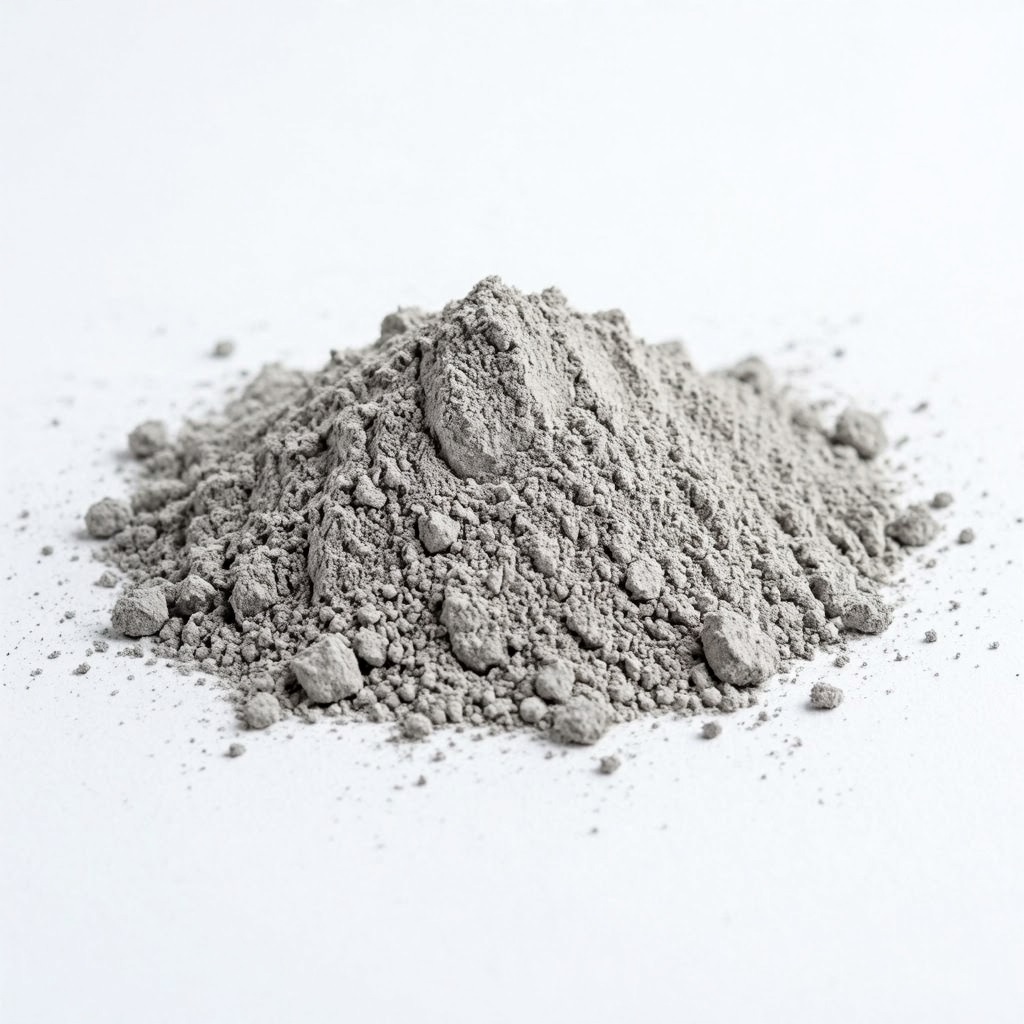
Portland pozzolanic cement (CEM IV) replaces 11–55% of the clinker with reactive pozzolanic materials — predominantly Turkey’s abundant natural trass. The pozzolanic reaction between the mineral addition and liberated Ca(OH)₂ densifies the concrete matrix progressively, delivering low hydration heat, superior impermeability, and excellent long-term durability. Turkey’s world-class trass reserves position CEM IV as one of the country’s most cost-competitive export cement types.
- Classification: CEM IV/A · CEM IV/B · CEM IV/A-SR · CEM IV/B-SR
- Standard: TS EN 197-1 | CE Marked | ISO 9001 Certified
- Clinker Content: 45–89% | Pozzolan: 11–55% | Strength: 32.5–42.5 MPa
- Packaging: 50 kg Bag · Big-Bag · Bulk · Sling Bag
Pozzolanic Cement (CEM IV) — Technical Details
TS EN 197-1 certified pozzolanic cement sourced from Turkey for export. Engineered for hydraulic structures, marine environments, and low-carbon projects where the long-term binding power of Turkey’s natural trass is the decisive performance advantage.
Product Overview
Pozzolanic cement (CEM IV) is manufactured by co-grinding or intimately blending Portland clinker with one or more pozzolanic materials: natural pozzolan/trass (P), natural calcined pozzolan (Q), siliceous fly ash (V), silica fume (D), or combinations thereof. Unlike CEM I where strength develops almost entirely through clinker hydration, CEM IV exploits the secondary pozzolanic reaction — calcium silicate hydrate (C-S-H) continues to form as pozzolanic SiO₂ and Al₂O₃ react with the Ca(OH)₂ released during clinker hydration. This densification effect progressively refines the concrete’s capillary pore network, yielding outstanding long-term impermeability, low permeability to chloride ions, and superior resistance to sulfate attack, leaching, and alkali–silica reaction.
Turkey holds one of the richest and most accessible natural pozzolan (trass) reserves in the world, concentrated in the Cappadocia–Nevşehir–Kütahya volcanic belt. High reactivity, consistent chemical composition, and proximity to major cement plants give Turkish CEM IV producers a structural cost and quality advantage over competitors in most global export markets. CEM IV is produced in two clinker-ratio subtypes: CEM IV/A (clinker 65–89%) for standard-duty performance, and CEM IV/B (clinker 45–64%) for maximum pozzolan content, lower heat, and reduced carbon footprint.
Technical Specifications (TS EN 197-1)
| Classification | CEM IV — Pozzolanic Cement |
|---|---|
| Standard | TS EN 197-1 | CE Marked | ISO 9001 |
| Clinker Content | 65–89% (IV/A) · 45–64% (IV/B) |
| Pozzolan Content | 11–35% (IV/A) · 36–55% (IV/B) |
| Pozzolan Types Permitted | Trass / natural pozzolan (P), calcined pozzolan (Q), siliceous fly ash (V), silica fume (D) |
| Initial Setting Time | ≥ 45 minutes |
| Volume Expansion (Le Chatelier) | ≤ 10 mm |
| MgO Content | ≤ 5% |
| SO₃ Content | ≤ 3.5% (IV/A) · ≤ 3.5% (IV/B) |
| Chloride (Cl⁻) | ≤ 0.10% |
| Sulfate Resistance (SR variant) | C₃A ≤ 9% (SR) — enhanced resistance to sulfate environments |
| Hydration Heat | Low — suitable for mass concrete and hot-weather concreting |
Strength Classes
| Class | Subtype | 2-Day (MPa) | 28-Day (MPa) |
|---|---|---|---|
| 32.5 N | IV/A · IV/B | — | ≥ 32.5 – ≤ 52.5 |
| 32.5 R | IV/A · IV/B | ≥ 10 | ≥ 32.5 – ≤ 52.5 |
| 42.5 N | IV/A only | ≥ 10 | ≥ 42.5 – ≤ 62.5 |
Available Variants
CEM IV/A 42.5 N — Standard Pozzolanic
Clinker 65–89%, pozzolan 11–35%. Balances adequate early strength with the long-term durability benefits of pozzolanic reaction. Suitable for reinforced concrete structures, ready-mixed concrete, and infrastructure in moderately aggressive environments. Widely used in barrages, irrigation canals, and harbour works where enhanced chemical resistance is specified.
CEM IV/B 32.5 N — High Pozzolan Low-Heat
Clinker 45–64%, pozzolan 36–55%. The highest pozzolan proportion in CEM IV, delivering genuinely low hydration heat comparable to CEM III/B. Slower early strength gain is offset by significantly denser microstructure at 90 days. Specified for dam concrete, thick raft slabs, and large-volume pours in tropical or subtropical climates where thermal cracking is a primary design constraint.
CEM IV/A-SR — Sulfate-Resistant Pozzolanic
C₃A content controlled to ≤ 9% (SR designation). Combines IV/A clinker economy with moderate sulfate resistance. Specified for structures in soils or groundwater with moderate sulfate concentrations (XA2 exposure class) where CEM I SR5 is over-specified or unavailable. Particularly in demand in Gulf Cooperation Council, North African, and Southeast Asian markets.
CEM IV/B-SR — High-Pozzolan Sulfate-Resistant
Highest pozzolan content (36–55%) combined with controlled C₃A ≤ 9%. The most durable CEM IV variant for chemically aggressive environments: resists both sulfate attack and chloride penetration simultaneously. Preferred for submerged foundations, buried sewers, coastal retaining walls, and marine jetties where both low heat and chemical resistance are project requirements.
Recommended Applications
- Dams, weirs, and hydraulic canal structures requiring low hydration heat and high long-term impermeability.
- Port, harbour, and marine structures — quay walls, jetties, and foundation piles in seawater.
- Submerged and underwater structures where resistance to water penetration and leaching is critical.
- Foundations and buried structures in sulfate-bearing soils or chemically aggressive groundwater (SR variants).
- Mass concrete pours — large raft foundations, gravity retaining walls, and bridge piers.
- Hot-weather and tropical construction where low hydration heat reduces thermal cracking risk.
- Environmentally sensitive and green-certified projects requiring documented CO₂ reduction.
- Construction chemicals and factory dry-mix products requiring high pozzolanic fineness and consistent reactivity.
Packaging & Export Options
| Format | Details |
|---|---|
| 50 kg Kraft Bag | Multi-wall paper/PP bag with moisture barrier; valve or open-mouth; palletized for container loading. |
| Big Bag / FIBC (1–2 t) | UV-resistant PP woven; sift-proof inner liner option; forklift compatible. |
| Sling Bag (1–2 t) | Crane-loaded discharge; no specialist cement vessel required; dominant in Mediterranean markets. |
| Bulk / Pneumatic | Lowest cost per tonne; requires specialist cement vessel and compatible silo at destination port. |
Composite Cement (CEM V) — Sourced from Turkey
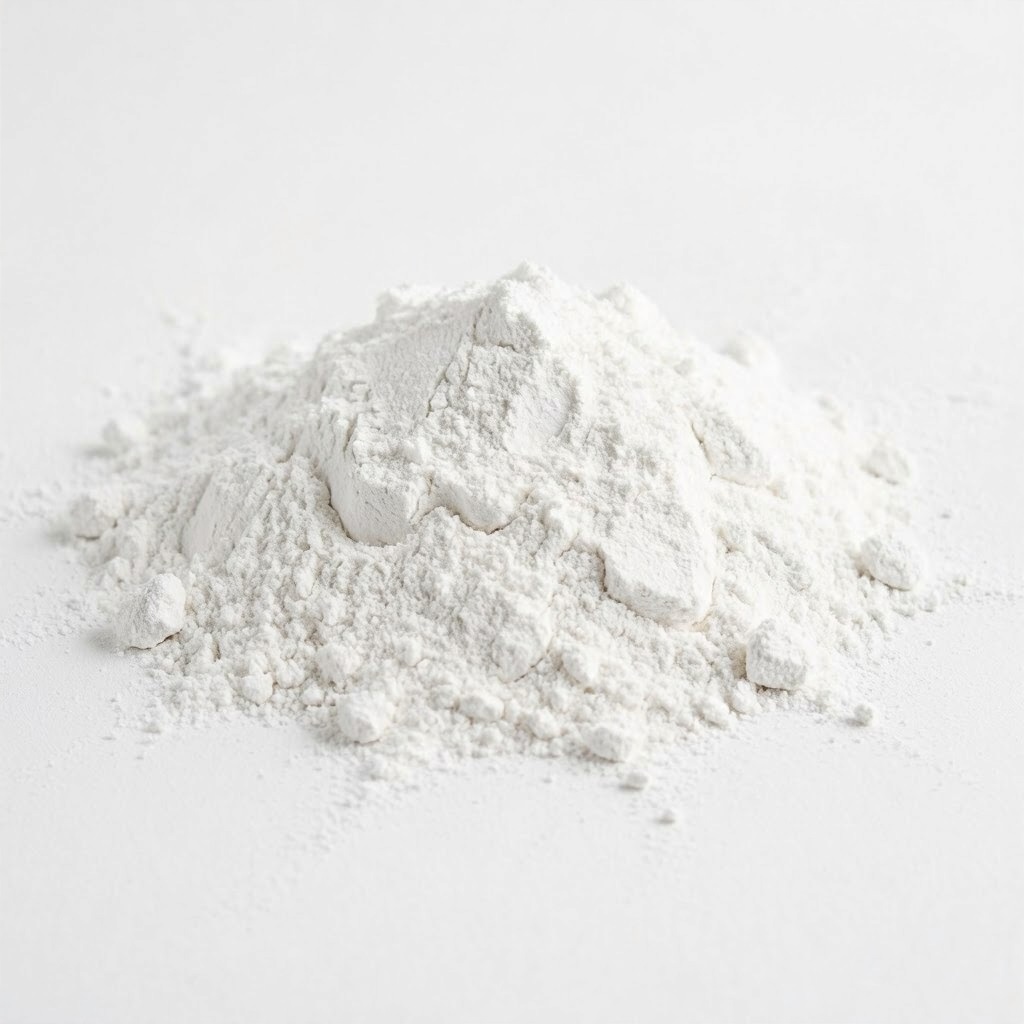
Composite cement (CEM V) is the most advanced low-carbon hydraulic binder in the TS EN 197-1 family, uniquely combining Portland clinker with both granulated blast furnace slag and a pozzolanic material simultaneously. This dual-addition approach delivers the lowest hydration heat of any regularly produced cement type, exceptional long-term impermeability, and a CO₂ footprint 40–60% below CEM I. Turkey’s co-location of world-class trass deposits and integrated steel plants producing GGBS gives Turkish suppliers a decisive competitive edge in this segment.
- Classification: CEM V/A · CEM V/B
- Standard: TS EN 197-1 | CE Marked | ISO 9001 Certified
- Clinker: 20–64% | Slag + Pozzolan: 36–80% | CO₂ Saving: 40–60% vs. CEM I
- Packaging: 50 kg Bag · Big-Bag · Bulk · Sling Bag
Composite Cement (CEM V) — Technical Details
TS EN 197-1 certified composite cement sourced from Turkey for export. The only cement type in the EN 197-1 family that mandates the simultaneous use of both granulated blast furnace slag and a pozzolanic material alongside Portland clinker, delivering the lowest hydration heat, highest long-term impermeability, and strongest sustainability credentials of any standard cement.
Product Overview
Composite cement (CEM V) is defined in TS EN 197-1 as a hydraulic binder containing Portland clinker together with two distinct latent hydraulic / pozzolanic additions: granulated ground blast furnace slag (S) and at least one pozzolanic material — natural pozzolan or trass (P), calcined pozzolan (Q), or siliceous fly ash (V). The clinker content ranges from 20–64%, while slag and pozzolan each contribute 18–50% of the total binder mass. Unlike CEM III (slag only) or CEM IV (pozzolan only), CEM V generates synergistic hardening reactions: the latent hydraulic slag and the reactive pozzolan both consume the Ca(OH)₂ liberated by clinker hydration, forming dense C-S-H and C-A-S-H phases that progressively fill the capillary pore network to an exceptional degree. The result is the densest mature microstructure achievable with standard cement types — delivering outstanding chloride diffusion resistance, sulfate resistance, resistance to alkali–silica reaction, and low permeability.
Turkey is uniquely positioned as a CEM V supplier: the country simultaneously possesses world-class natural trass reserves (Cappadocia Volcanic Belt) and major GGBS-producing steel facilities at İsdemir (İskenderun) and Kardemir (Karabük). Very few other cement-exporting nations can source both key additions domestically at scale, giving Turkish producers a structural cost and supply-chain advantage. CEM V is gaining market significance globally in response to EU Carbon Border Adjustment Mechanism (CBAM) reporting requirements (October 2023) and national net-zero targets requiring documented lifecycle CO₂ credentials on cement exports.
Technical Specifications (TS EN 197-1)
| Classification | CEM V — Composite Cement |
|---|---|
| Standard | TS EN 197-1 | CE Marked | ISO 9001 |
| Clinker Content | 40–64% (V/A) · 20–38% (V/B) |
| Slag Content (GGBS) | 18–30% (V/A) · 31–50% (V/B) |
| Pozzolan Content | 18–30% (V/A) · 31–50% (V/B) |
| Pozzolan Types Permitted | Natural pozzolan / trass (P), calcined pozzolan (Q), siliceous fly ash (V) |
| Initial Setting Time | ≥ 45 minutes |
| Volume Expansion (Le Chatelier) | ≤ 10 mm |
| MgO Content | ≤ 5% |
| SO₃ Content | ≤ 4.0% (all CEM V types) |
| Chloride (Cl⁻) | ≤ 0.10% |
| Hydration Heat | Very low — lowest of all standard cement types |
| CO₂ Footprint Reduction | 40–45% (V/A) · 50–60% (V/B) vs. CEM I |
Strength Classes
| Class | Subtype | 2-Day (MPa) | 28-Day (MPa) |
|---|---|---|---|
| 32.5 N | V/A · V/B | — | ≥ 32.5 – ≤ 52.5 |
| 32.5 R | V/A only | ≥ 10 | ≥ 32.5 – ≤ 52.5 |
| 42.5 N | V/A only | ≥ 10 | ≥ 42.5 – ≤ 62.5 |
Available Variants
CEM V/A 42.5 N — High-Performance Composite
Clinker 40–64%, slag 18–30%, pozzolan 18–30%. Delivers a 42.5 MPa 28-day strength target while benefiting from the dual-addition synergy of slag and trass. Adequate early strength for most structural concrete applications, combined with significantly improved long-term impermeability vs. CEM I or CEM II. Preferred for large-scale infrastructure, bridges, and industrial structures in moderately to highly aggressive environments.
CEM V/A 32.5 N/R — Standard Composite
Same dual-addition chemistry at 32.5 MPa strength class. The most widely used CEM V grade for ready-mixed concrete, general structural work, and export markets where a well-balanced sustainability profile is required without the strength premium of 42.5 N. Widely exported to GCC, North Africa, and South and Southeast Asia.
CEM V/B 32.5 N — Ultra-Low Carbon Composite
Clinker reduced to 20–38%; slag and pozzolan each at 31–50%. The highest-addition, lowest-carbon standard cement available under EN 197-1 — CO₂ footprint 50–60% below CEM I. Very slow early strength development requires extended curing; long-term strength and impermeability exceed CEM I at equivalent water/cement ratios. Specified for mass concrete dams, ultra-durable marine infrastructure, and projects where a verified Environmental Product Declaration (EPD) and low embodied carbon are contractual requirements.
Recommended Applications
- Mass concrete — gravity dams, large raft slabs, and thick foundations where very low hydration heat is mandatory.
- Marine infrastructure — quay walls, jetties, breakwaters, and submerged piles in seawater (XS2/XS3 exposure).
- Long-design-life infrastructure requiring proven chloride diffusion resistance and impermeability over 100+ years.
- Underground structures, tunnels, and deep foundations in sulfate-bearing or aggressive soils (XA2/XA3).
- Hydraulic structures — water treatment plants, reservoirs, irrigation canals, and tidal barrages.
- Sustainable, green-certified, and LEED/BREEAM Excellent projects requiring documented embodied CO₂ reduction.
- Export projects subject to EU CBAM reporting where low clinker factor provides declarable carbon advantage.
- Hot-weather concreting in tropical and subtropical markets where thermal cracking risk is a primary constraint.
Packaging & Export Options
| Format | Details |
|---|---|
| 50 kg Kraft Bag | Multi-wall paper/PP bag with moisture barrier; valve or open-mouth; palletized for container loading. |
| Big Bag / FIBC (1–2 t) | UV-resistant PP woven; sift-proof inner liner option; forklift compatible. |
| Sling Bag (1–2 t) | Crane-loaded discharge; no specialist cement vessel required; dominant in Mediterranean markets. |
| Bulk / Pneumatic | Lowest cost per tonne; requires specialist cement vessel and compatible silo at destination port. |
White Portland Cement (CEM I) — Sourced from Turkey
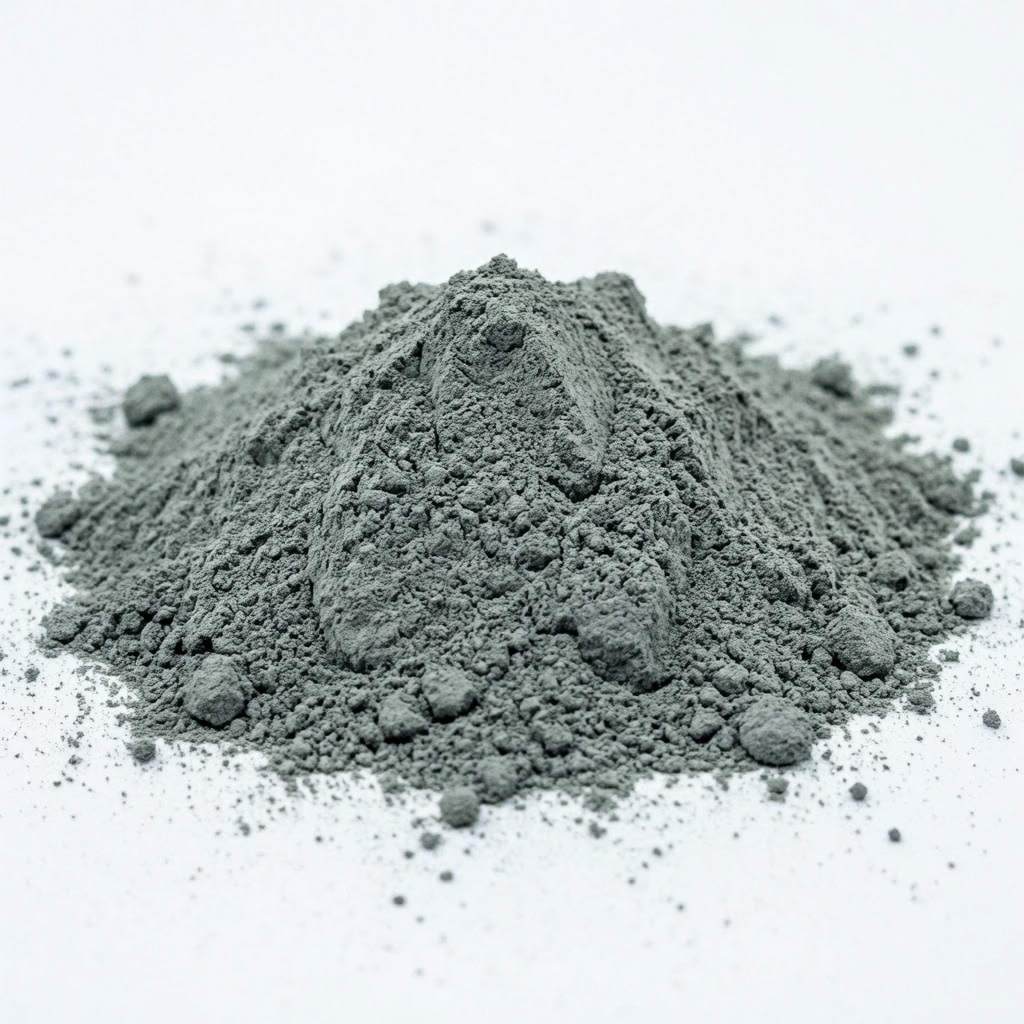
Turkish white Portland cement is produced from selectively quarried low-iron raw materials and fired in dedicated kilns using clean fuels, delivering a consistent whiteness index ≥ 85 (TS 21 / ISO 105). Turkey is the world’s leading white cement exporter: Çimsa Mersin and Adana Çimento together supply 50+ countries and account for a dominant share of global white cement trade. Classified as CEM I 52.5 R under TS EN 197-1, Turkish white cement meets the highest purity and performance standards for architectural, decorative, and specialty construction applications.
- Classification: CEM I 52.5 R (White) · CEM I 42.5 R (White) · White Blend · White Masonry Type N/S
- Standard: TS EN 197-1 | TS 21 (Whiteness) | CE Marked | ISO 9001 Certified
- Clinker Content: ≥ 95% | Fe₂O₃: < 0.5% | Whiteness Index: ≥ 85
- Packaging: 25 kg · 50 kg Bag · Big-Bag · Bulk · Sling Bag
White Portland Cement (CEM I) — Technical Details
TS EN 197-1 certified white Portland cement sourced from Turkey’s leading white cement producers for export worldwide. Consistent whiteness, high early strength, and broad application versatility make Turkish white cement the first choice for architects, precast producers, and construction chemical formulators worldwide.
Product Overview
White Portland cement is chemically identical to grey CEM I but distinguished by its very low iron oxide (Fe₂O₃ < 0.5%) and manganese oxide (MnO < 0.03%) content, which eliminate the characteristic grey colour. Its manufacture requires selectively quarried raw materials — white chalk or pure limestone, kaolin, and white silica sand, all with strictly controlled iron content — combined with clean fuel combustion (natural gas or petroleum coke) to avoid ash contamination. After burning in a dedicated rotary kiln at approximately 1,450 °C, the white clinker is rapidly quenched by water cooling or air quenching to prevent re-oxidation and preserve the whiteness developed in the kiln. The result is a cement with whiteness index ≥ 85 measured against the MgO reference standard (TS 21 / ISO 105), clinker purity ≥ 95%, and mechanical performance equivalent to the highest grey CEM I strength classes.
Turkey is the undisputed world leader in white cement production and export. Çimsa Mersin operates one of the highest-capacity white cement facilities globally, with approximately 1.1 Mt/year dedicated white clinker production, export to 50+ countries, and the full product range from CEM I 52.5 R to specialty white blends. Adana Çimento contributes a further approximately 0.35 Mt/year capacity. Turkey’s geological advantage — the high-purity chalk and kaolin deposits of the Mersin–Adana coastal belt — combined with direct Mediterranean shipping access gives Turkish producers an unmatched cost, quality, and logistics position in white cement supply chains globally.
Technical Specifications
| Classification | CEM I — White Portland Cement |
|---|---|
| Standard | TS EN 197-1 | TS 21 (Whiteness) | CE Marked | ISO 9001 |
| Clinker Content | ≥ 95% (same as grey CEM I) |
| Fe₂O₃ Content | < 0.5% (typically < 0.35% for Grade A whiteness) |
| MnO Content | < 0.03% — controlled to prevent yellowing |
| Whiteness Index (Ry) | ≥ 85 (TS 21 / ISO 105 — MgO reference); premium grades ≥ 90 |
| Initial Setting Time | ≥ 45 minutes |
| Volume Expansion (Le Chatelier) | ≤ 10 mm |
| MgO Content | ≤ 5% |
| SO₃ Content | ≤ 4.0% (52.5 class) · ≤ 3.5% (42.5 class) |
| Chloride (Cl⁻) | ≤ 0.10% |
| Blaine Specific Surface | 3,500 – 5,000 cm²/g |
Strength Classes
| Class | Type | 2-Day (MPa) | 28-Day (MPa) |
|---|---|---|---|
| 32.5 | N / R | — / ≥ 10 | ≥ 32.5 – ≤ 52.5 |
| 42.5 | N / R | ≥ 10 / ≥ 20 | ≥ 42.5 – ≤ 62.5 |
| 52.5 | R | ≥ 30 | ≥ 52.5 |
Available Variants
CEM I 52.5 R — High-Performance White (Standard Export Grade)
Turkey’s most widely exported white cement grade. 2-day compressive strength ≥ 30 MPa; whiteness index ≥ 85. Ideal for architectural concrete, decorative precast, glass fibre reinforced concrete (GFRC), and construction chemical production. Used as a base binder in white tile adhesives, wall putties, and facade systems. Primary export markets: GCC, North Africa, Europe, USA, Australia.
CEM I 42.5 R — Standard White
2-day strength ≥ 20 MPa; whiteness index ≥ 85. More economical white clinker content with equivalent decorative performance for most architectural applications. Used in coloured concrete, terrazzo, exposed aggregate panels, and white render systems where very high early strength is not a primary requirement.
White Blend Cement
White Portland clinker blended with controlled additions of high-purity limestone or white silica fume, maintaining whiteness index ≥ 85 while reducing clinker content and cost. Optimized workability for construction chemical and dry-mix mortar applications. Supplied to tile adhesive, grout, repair mortar, and ETICS system manufacturers.
White Masonry Cement — Type N / Type S
Specialty white binder incorporating white Portland clinker, limestone, and air-entraining agents. Pre-proportioned for masonry, pointing, stucco, and ornamental render applications. Provides excellent workability, water retention, and adhesion without requiring on-site admixture addition. Type S (higher strength) for structural masonry; Type N for general-purpose jointing and render.
Recommended Applications
- Architectural concrete — fair-faced structures, facades, bridges, and public buildings requiring aesthetic appearance.
- Precast decorative elements — cornices, balusters, cladding panels, paving slabs, and ornamental features.
- Glass fibre reinforced concrete (GFRC) — lightweight architectural panels and sculptural forms.
- Terrazzo flooring, exposed aggregate surfaces, and polished concrete requiring a white or light-coloured matrix.
- Construction chemicals — white tile adhesives (C1/C2), grouting mortars, facade repair, and self-levelling underlayments.
- Exterior insulation and finishing systems (ETICS / EIFS) base and finish coats requiring colour consistency.
- Coloured concrete and renders — white base ensures accurate pigment colour reproduction without grey interference.
- Cultural heritage restoration — compatible texture and colour matching for historic building repair and conservation.
Packaging & Export Options
| Format | Details |
|---|---|
| 25 kg Kraft Bag | White multi-wall paper bag; popular for construction chemical and tile adhesive manufacturers; palletized. |
| 50 kg Kraft Bag | Standard export bag; moisture-proof multi-wall paper/PP; valve or open-mouth; container-friendly pallets. |
| Big Bag / FIBC (1–2 t) | UV-resistant PP woven; sift-proof inner liner; forklift compatible; efficient for bulk dry-mix production. |
| Sling Bag (1–2 t) | Crane-loaded discharge; no specialist vessel required; dominant format in Mediterranean export trade. |
| Bulk / Pneumatic | For large-volume industrial consumers; requires dedicated white cement silo to prevent grey contamination. |
Sulfate-Resistant Cement (SDÇ / SRC) — Sourced from Turkey
Turkish sulfate-resistant Portland cement (SDÇ — Sülfata Dayanıklı Çimento; internationally SRC) is manufactured with rigidly controlled tricalcium aluminate (C₃A) content — the clinker phase responsible for sulfate vulnerability — delivering Very High sulfate resistance under EN 197-1 / TS 10157. Classified as CEM I 42.5 R SR3 and CEM I 42.5 R SR5, it is Turkey's most-exported specialty cement grade to the GCC, North Africa, and Southeast Asia, where aggressive sulfate soils, high-salinity groundwater, and marine exposure make SR cement a non-negotiable specification requirement.
- Classification: CEM I 42.5 R SR3 · CEM I 42.5 R SR5 · SDÇ (TS 10157)
- Standard: TS EN 197-1 | TS 10157 | CE Marked | ISO 9001 Certified
- Clinker: ≥ 95% | C₃A ≤ 3% (SR3) · ≤ 5% (SR5) | Strength: 42.5 MPa
- Packaging: 50 kg Bag · Big-Bag · Bulk · Sling Bag
Sulfate-Resistant Cement (SDÇ / SRC) — Technical Details
TS EN 197-1 / TS 10157 certified sulfate-resistant Portland cement sourced from Turkey for export. Engineered for chemically aggressive environments where ordinary Portland cement would rapidly deteriorate — the defining choice for marine foundations, wastewater infrastructure, sulfate-bearing soils, and saline coastal construction worldwide.
Product Overview
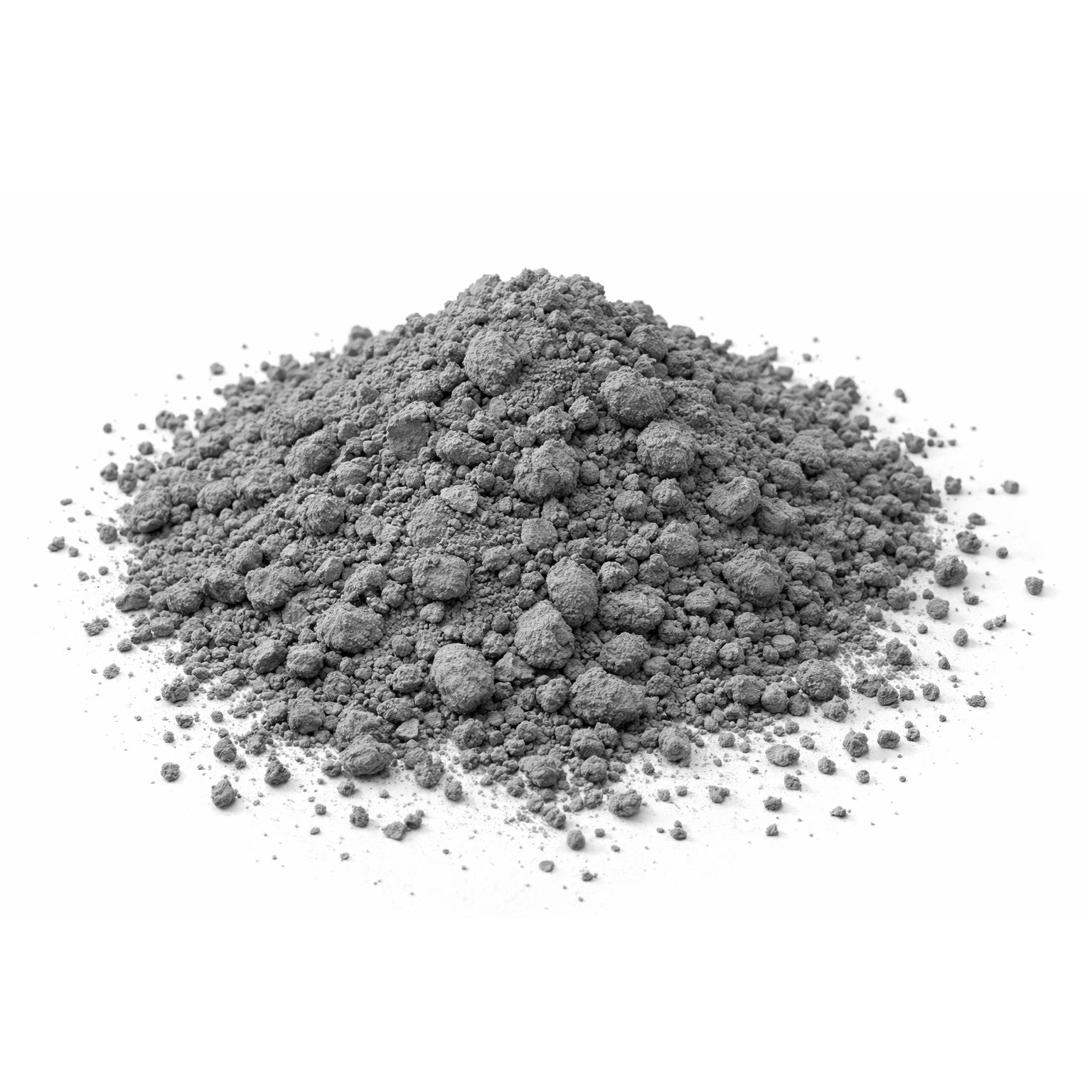
Sulfate attack on concrete is one of the most destructive durability failure modes in civil infrastructure. It occurs when sulfate ions (SO₄²⁻) in soil, groundwater, or seawater penetrate hardened concrete and react with tricalcium aluminate (C₃A) hydration products — primarily ettringite and monosulfate — causing expansive cracking and progressive structural disintegration. The primary engineering solution is sulfate-resistant Portland cement (SDÇ / SRC), which limits C₃A content in the clinker to ≤ 5% (SR5 grade) or ≤ 3% (SR3 grade), dramatically reducing the available aluminate phase available for sulfate reaction. The resulting cement performs as CEM I with full clinker content (≥ 95%), strength class 42.5 MPa, and high early strength (R designation) — with Very High sulfate resistance added by the controlled mineralogy.
Turkey is a leading global exporter of SR cement, driven by the strong demand from the GCC, North Africa, Southeast Asia, and sub-Saharan Africa — all regions characterised by sulfate-rich desert soils, high-salinity groundwater, and extensive marine infrastructure construction. Major Turkish producers (Çimsa, Limak, Üçtaşlar, Akçansa) have dedicated SR clinker production lines with full EN 197-1 and TS 10157 conformity. Turkey's direct access to Mediterranean and Red Sea shipping lanes, combined with competitive clinker production costs, gives Turkish SR cement an unmatched price-to-performance ratio in high-demand export corridors. SR cement is also increasingly preferred for CBAM-sensitive export contracts where CE marking, third-party conformity assessment, and traceable C₃A analysis documentation are contractual obligations.
Technical Specifications (TS EN 197-1 / TS 10157)
| Classification | CEM I — Sulfate-Resistant Portland Cement (SDÇ / SRC) |
|---|---|
| Standard | TS EN 197-1 | TS 10157 | CE Marked | ISO 9001 |
| Clinker Content | ≥ 95% |
| C₃A Content — SR5 | ≤ 5% — High Sulfate Resistance (XA2 / moderate marine) |
| C₃A Content — SR3 | ≤ 3% — Very High Sulfate Resistance (XA3 / severe marine XS3) |
| C₄AF + 2·C₃A | ≤ 20% (SR3 composites, for max resistance) |
| Initial Setting Time | ≥ 45 minutes |
| Volume Expansion (Le Chatelier) | ≤ 10 mm |
| MgO Content | ≤ 5% |
| SO₃ Content | ≤ 4.0% |
| Chloride (Cl⁻) | ≤ 0.10% |
| Sulfate Resistance Class | Very High (EN 197-1 SR designation) |
Strength Classes
| Class | Grade | 2-Day (MPa) | 28-Day (MPa) |
|---|---|---|---|
| 42.5 R | SR5 | ≥ 20 | ≥ 42.5 – ≤ 62.5 |
| 42.5 R | SR3 | ≥ 20 | ≥ 42.5 – ≤ 62.5 |
| 52.5 R | SR5 | ≥ 30 | ≥ 52.5 |
Available Variants
CEM I 42.5 R SR5 — Standard Sulfate-Resistant (Primary Export Grade)
C₃A ≤ 5%; clinker ≥ 95%; 2-day strength ≥ 20 MPa. The most widely produced and exported Turkish SR grade. Suitable for XA2 exposure class (moderate sulfate attack per EN 206) — sulfate concentrations in soil 600–3,000 mg/kg SO₄²⁻ or in water 600–3,000 mg/L. High early strength (R class) makes it suitable for rapid construction schedules. The dominant SR cement specification in GCC, North Africa, and Southeast Asian tender documents. Compliant with ASTM Type V requirements when produced under dual certification.
CEM I 42.5 R SR3 — High-Performance Sulfate-Resistant
C₃A ≤ 3%; clinker ≥ 95%; 2-day strength ≥ 20 MPa. Maximum sulfate resistance achievable with Portland clinker chemistry. Required for XA3 exposure class (severe sulfate attack) — soil concentrations > 3,000 mg/kg SO₄²⁻ or water concentrations > 3,000 mg/L, including seawater immersion (XS3). The preferred specification for sub-sea foundations, tidal zone marine structures, industrial effluent containment, and gypsum-rich desert subgrades in the Arabian Peninsula and North Africa.
CEM I 52.5 R SR5 — High-Strength Sulfate-Resistant
C₃A ≤ 5%; clinker ≥ 95%; 2-day strength ≥ 30 MPa. Combines Very High sulfate resistance with the 52.5 strength class for high-performance structural applications — deep-water piling, offshore platform foundations, heavily loaded bridge piers, and aggressive-environment precast elements where both early strength gain and chemical durability are primary structural requirements.
SDÇ (TS 10157) — Turkish Standard SR Designation
Turkish national standard TS 10157 designation for sulfate-resistant cement, fully harmonised with EN 197-1 SR classification. All SDÇ cement meets EN 197-1 SR requirements; TS 10157 certification is additionally required by Turkish public procurement specifications and many MENA-region tender documents that reference Turkish standards. Turkish-produced SDÇ is accepted on an equivalence basis with BS 4027, DIN 1164 Part 10, and ASTM C150 Type V in most international project specifications.
Recommended Applications
- Marine structures — quay walls, jetties, breakwaters, offshore platform bases, and tidal zone elements subject to seawater sulfate and chloride attack (XS2/XS3 · XA2/XA3).
- Bridge and viaduct foundations — piles, pile caps, and abutments in sulfate-bearing soils or river beds with chemically aggressive groundwater.
- Wastewater and sewage infrastructure — sewers, manholes, pumping stations, and treatment plant tanks exposed to biogenic sulfuric acid (H₂SO₄) from microbial activity.
- Water treatment plants — clarifiers, digesters, filtration tanks, and service reservoirs in contact with aggressive treated or raw water.
- Coastal and saline construction — foundations and ground slabs in sabkha (saline flat) soils, saltmarsh subgrades, and coastal reclamation areas prevalent across the Arabian Peninsula.
- Industrial and chemical plant foundations — structures adjacent to fertiliser, petrochemical, and mining facilities with process effluent sulfate contamination.
- Tunnels and underground drainage — linings, invert slabs, and headwalls in sulfate-rich geological formations (gypsum, anhydrite, pyrite-bearing strata).
- Desert and arid-climate construction — foundations and slabs in high-sulfate desert soils and evaporite deposits, common across GCC, North Africa, and Central Asia.
Packaging & Export Options
| Format | Details |
|---|---|
| 50 kg Kraft Bag | Multi-wall paper/PP bag with moisture barrier; valve or open-mouth; palletized for container loading. Grade marking (SR3/SR5) printed on bag. |
| Big Bag / FIBC (1–2 t) | UV-resistant PP woven; sift-proof inner liner option; forklift compatible; efficient for large-volume site deliveries. |
| Sling Bag (1–2 t) | Crane-loaded discharge; no specialist cement vessel required; dominant format for Mediterranean and Red Sea port deliveries. |
| Bulk / Pneumatic | Lowest cost per tonne; requires specialist cement vessel or bulk road tanker and compatible SR-dedicated silo at destination to prevent cross-contamination with non-SR grades. |
Portland Clinker (Klinker) — Sourced from Turkey
Portland clinker (Ham Klinker; GTİP / HS 2523.10) is the nodular, kiln-fired intermediate product from which all Portland cement is produced by inter-grinding with gypsum and mineral additions. Turkey exports clinker in virtually equal volume to finished cement, positioning it as one of the world’s top three clinker exporters. Shipped in bulk via dedicated gearless vessels directly from Mediterranean, Aegean, and Black Sea terminals, Turkish clinker supplies grinding stations, integrated cement plants, and blended cement producers across North Africa, the GCC, South and Southeast Asia, and sub-Saharan Africa.
- Classification: Portland Clinker (Ham Klinker) · GTİP / HS Code 2523.10
- Standard: TS EN 197-1 Raw Material | ASTM C150 Compatible | ISO 9001 Quality
- Clinker: 100% | C₃S 55–70% | LSF 92–99 | Free Lime ≤ 1.5%
- Shipping: Bulk Sea Freight · Gearless / Geared Vessel · Min. Lot 5,000 t
Portland Clinker (Klinker) — Technical Details
ISO 9001 certified Portland clinker sourced from Turkey for export under GTİP / HS Code 2523.10. The primary raw material input for all Portland cement manufacturing — marketed in bulk to grinding stations, integrated cement plants, and blended cement producers worldwide who inter-grind clinker locally with gypsum and mineral additions to produce finished cement grades.
Product Overview
Portland clinker is the nodular, partially fused intermediate material produced by burning a precisely controlled mixture of calcium carbonate (limestone), silica, alumina, and iron oxide in a rotary kiln at 1,400–1,500 °C. During the sintering process, the raw materials form four main crystalline phases — alite (C₃S), belite (C₂S), aluminate (C₃A), and ferrite (C₄AF) — which are the reactive compounds ultimately responsible for the strength, setting, and durability of finished cement. After cooling, grey clinker nodules of 5–25 mm diameter are stored and transported in bulk before inter-grinding with approximately 3–5% gypsum (and optional mineral additions) at the destination cement mill. Because grinding clinker into finished cement close to the point of consumption avoids shipping the additional mass of gypsum and mineral additions, clinker trade consistently accounts for 25–30% of total global cement-equivalent exports by volume.
Turkey is consistently ranked among the top three global clinker exporters. Major producers including Çimsa, Üçtaşlar (Limak), Oyak Çimento, and Akçansa operate high-capacity kilns with combined clinker output exceeding 80 Mt/year, and dedicated clinker export terminals at Mersin, İskenderun, İzmit, Çanakkale, and Trabzon capable of loading gearless bulk carriers of 30,000–60,000 DWT. Turkey’s GTİP/HS 2523.10 clinker exports are approximately equal in volume to its finished cement exports — a structural feature of the Turkish cement sector that gives buyers a flexible choice between receiving clinker for local processing or finished cement for direct use. Turkish clinker consistently meets EN 197-1 raw material requirements, ASTM C150 Type I/Type V chemical limits, and is supplied with full Bogue phase composition analysis, XRF chemistry reports, and third-party quality certificates.
Chemical & Physical Specifications
| Product Form | Grey nodules, 5–25 mm diameter; bulk (unground) |
|---|---|
| HS / GTİP Code | 2523.10 — Portland cement clinker |
| Lime Saturation Factor (LSF) | 92–99 (typical 94–97) |
| Silica Modulus (SM) | 2.4–2.8 |
| Alumina Modulus (AM) | 1.2–1.6 (OPC) · ≤ 0.64 (SR clinker) |
| Free Lime (f-CaO) | ≤ 1.5% (typically ≤ 1.0%) |
| MgO Content | ≤ 5.0% |
| SO₃ Content | ≤ 3.5% |
| Total Alkalis (Na₂O eq.) | Low alkali: ≤ 0.60% | Standard: 0.60–0.90% |
| Chloride (Cl⁻) | ≤ 0.10% |
| Loss on Ignition (LOI) | ≤ 1.5% |
| Bulk Density | 1.2–1.5 t/m³ (nodular form) |
Clinker Phase Composition (Bogue)
| Phase | Formula | Typical Range | Role in Cement |
|---|---|---|---|
| Alite | C₃S | 55– 70% | Early & long-term strength |
| Belite | C₂S | 10– 25% | Long-term strength, low heat |
| Aluminate | C₃A | 5– 12% (OPC) · ≤–5% (SR) | Setting control; sulfate risk |
| Ferrite | C₄AF | 8– 13% | Colour; minor strength |
Available Grades
Standard OPC Clinker — CEM I Base (Primary Export Grade)
LSF 94–97, C₃S 58–68%, C₃A 6–10%, AM 1.2–1.5. The highest-volume Turkish export clinker grade — grinds directly to CEM I 42.5 R or 52.5 R at destination mills after inter-grinding with 3–5% gypsum. Compatible with all EN 197-1 and ASTM C150 Type I finished cement specifications. Supplied in bulk parcels from 5,000 t to full Supramax (55,000 DWT) cargo sizes. Preferred by North African and GCC grinding stations importing clinker for domestic cement production.
SR Clinker — Sulfate-Resistant Grade (C₃A ≤ 5% / ≤ 3%)
Produced from raw material mixes with reduced alumina modulus (AM ≤ 0.64) to limit C₃A formation. SR5 grade: C₃A ≤ 5%; SR3 grade: C₃A ≤ 3%. Grinds to CEM I 42.5 R SR5 or SR3 finished cement at destination. Critical supply material for grinding stations in the GCC, Southeast Asia, and East Africa producing sulfate-resistant cement for local infrastructure projects. Supplied with Bogue composition certificate and ASTM C150 Type V equivalence data on request.
White Clinker — Low-Iron Grade (Fe₂O₃ < 0.5%)
Produced from selectively quarried low-iron chalk and kaolin with clean fuel combustion; Fe₂O₃ < 0.5%, MnO < 0.03%. Water-quenched after kiln exit to preserve whiteness. Grinds to white Portland cement CEM I 42.5 R or 52.5 R (whiteness index ≥ 85) at destination white cement mills. Supplied in segregated, contamination-controlled parcels. Premium-grade product primarily exported from Çimsa Mersin and Adana Çimento facilities.
Low-Alkali Clinker (Na₂O eq. ≤ 0.60%)
Controlled alkali content (Na₂O equivalent ≤ 0.60%) for markets where alkali–silica reaction (ASR) is a primary durability concern — particularly projects using reactive aggregates in tropical and subtropical climates. Required by Australian, New Zealand, South African, and certain US state DOT specifications. Produced from low-alkali raw material quarries under strict kiln process control.
Applications & End Uses
- Grinding stations — import clinker, inter-grind with local gypsum and mineral additions to produce CEM I, CEM II, or specialty finished cement for domestic markets.
- Integrated cement plants — supplement own kiln production with imported clinker during demand peaks or kiln maintenance shutdowns without disrupting supply continuity.
- Blended cement production — use as clinker base with SCMs (GGBS, fly ash, pozzolan) sourced locally, capturing the cost and carbon advantage of both local supplementary materials and competitively priced Turkish clinker.
- Ready-mix and precast concrete producers — in markets where grinding capacity exists on-site or nearby, direct clinker procurement reduces unit binder cost vs. finished cement import.
- Construction chemical manufacturers — white clinker import for in-house grinding of white cement base for tile adhesives, grouts, and wall putty formulations at the scale required for industrial production.
- Government and strategic stockpiling — bulk clinker storage as a cement supply security reserve by national authorities and large infrastructure project owners in countries with limited domestic production.
Shipping & Logistics
| Format | Details |
|---|---|
| Handysize Bulk Carrier | 15,000–35,000 DWT; gearless or self-geared; suited for smaller regional ports and first-generation clinker terminals. |
| Supramax / Ultramax | 50,000–65,000 DWT; most common clinker export vessel size from Turkish Mediterranean terminals (Mersin, İskenderun); economical for GCC and East Africa destinations. |
| Panamax Bulk Carrier | 65,000–80,000 DWT; available ex- Çanakkale and İzmit for longer-haul destinations (Southeast Asia, Australia, Americas) where port depth permits. |
| Documentation | Full quality certificate (XRF chemistry, Bogue phases, free lime, f-CaO, alkalis); Bill of Lading; Certificate of Origin; EN 197-1 / ASTM C150 compliance declaration; optional third-party SGS/Bureau Veritas inspection. |
Packaging & Export Options
Our Turkish Portland cement is supplied in a range of packaging formats to meet the needs of different markets and project requirements. All shipments leave with full technical documentation and compliance certificates.
-
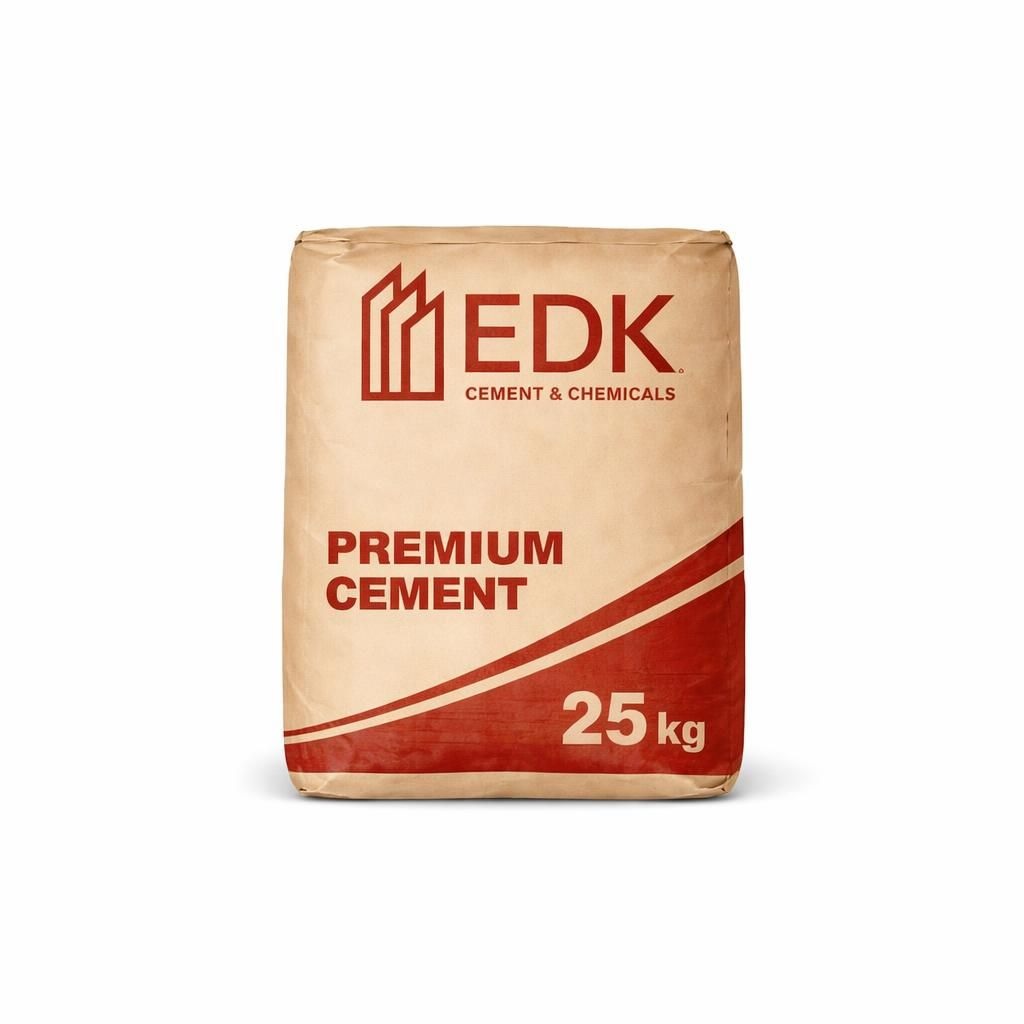
25 kg Kraft Bag
Multi-wall paper/PP bag with moisture barrier; valve or open-mouth; palletized for container loading.
-
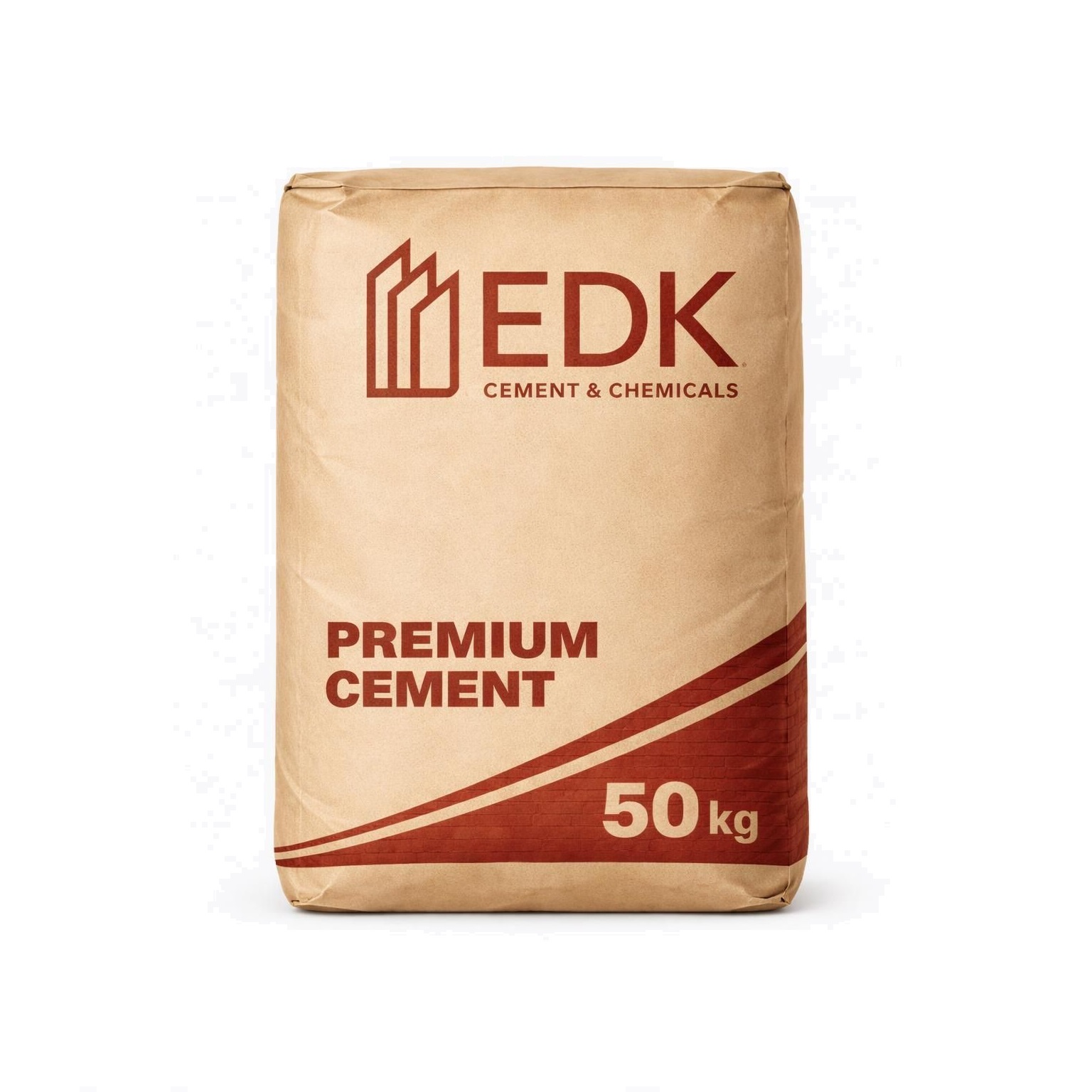
50 kg Kraft Bag
Multi-wall paper/PP bag with moisture barrier; valve or open-mouth; palletized for container loading.
-
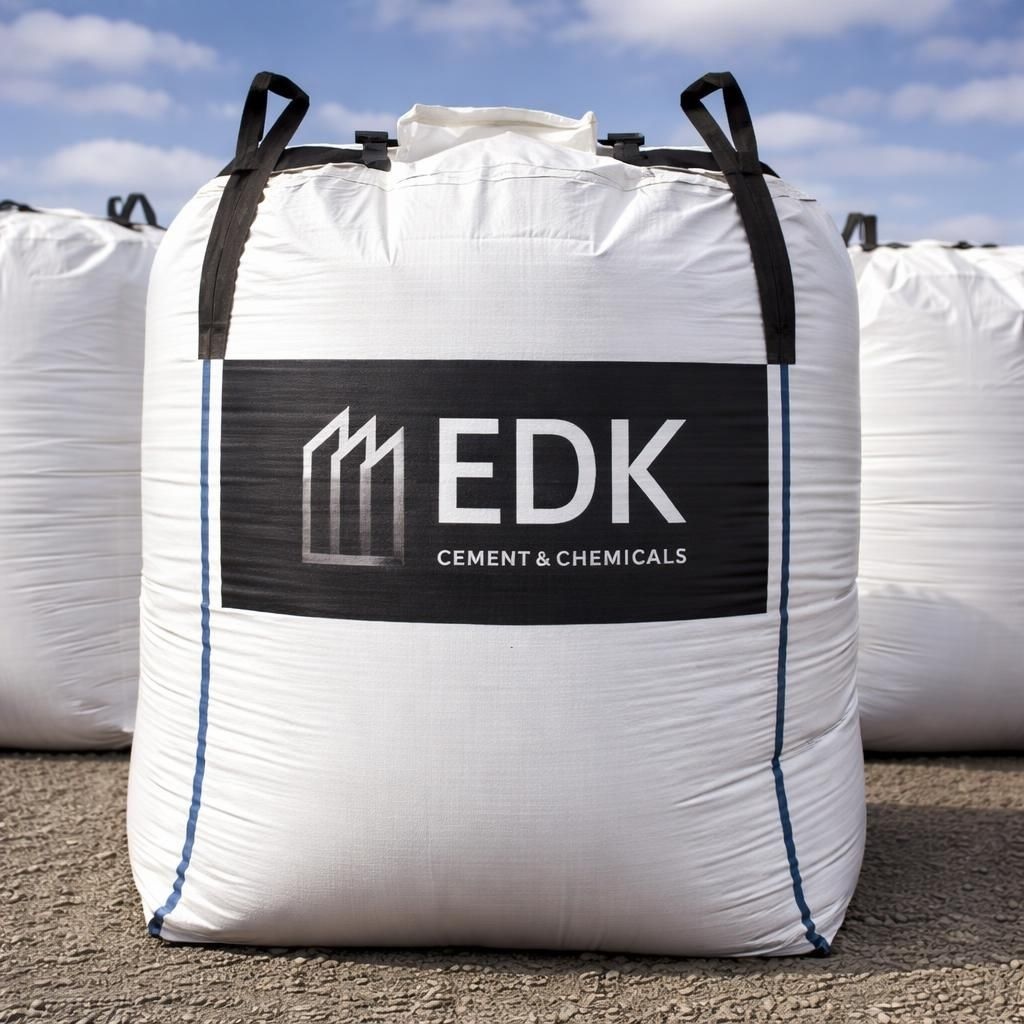
Big Bag / FIBC (1–2 t)
UV-resistant PP woven; sift-proof inner liner option; forklift compatible.
-
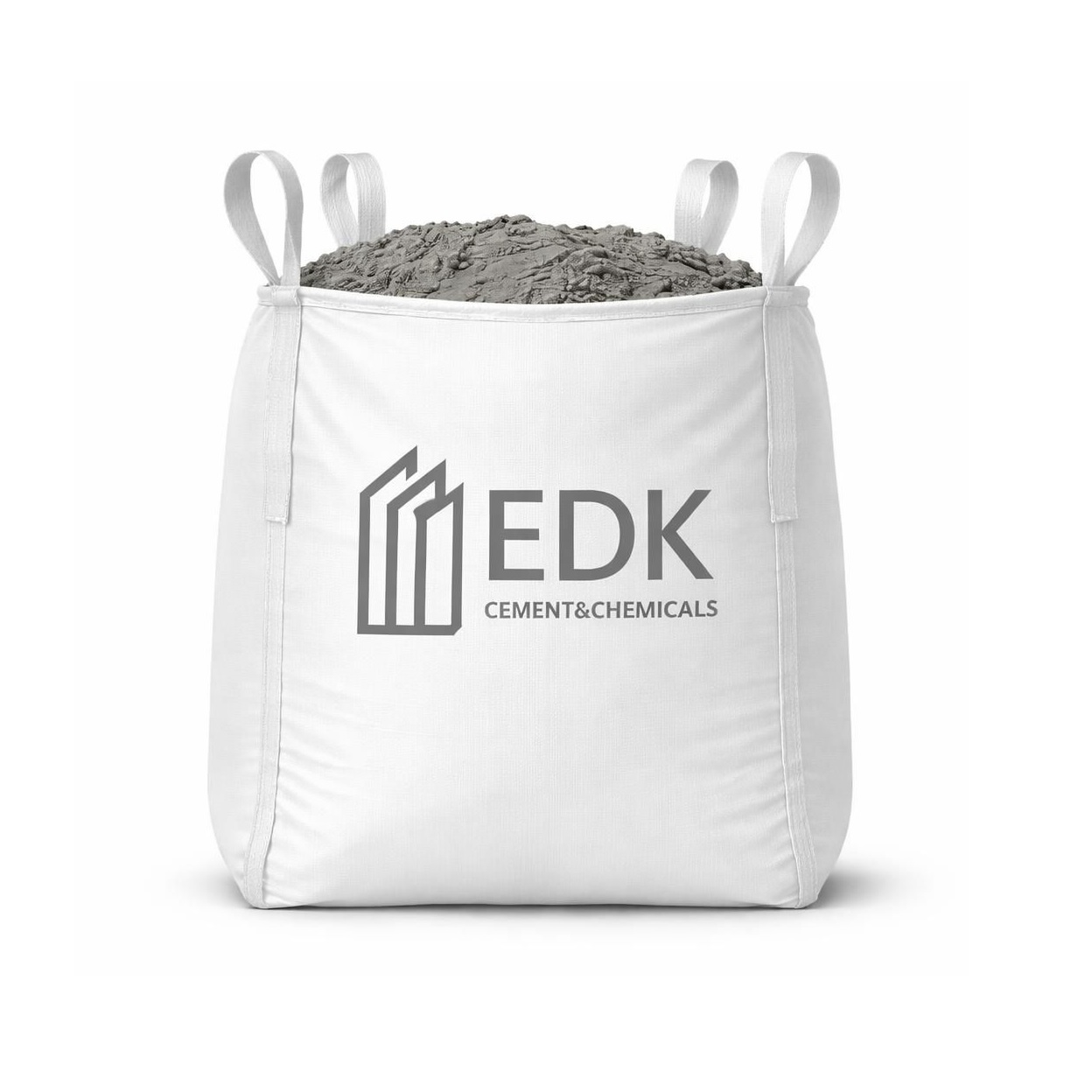
Sling Bag (1–2 t)
Crane-loaded discharge; no specialist cement vessel required; dominant in Mediterranean markets.
-
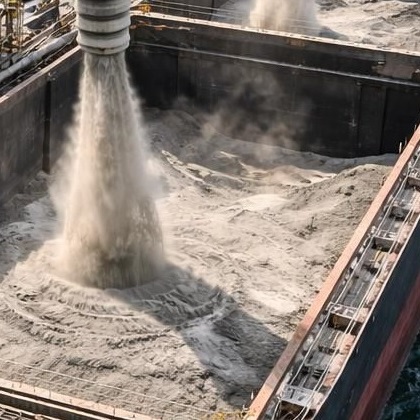
Bulk / Pneumatic
Lowest cost per tonne; requires specialist cement vessel and compatible silo at destination port.